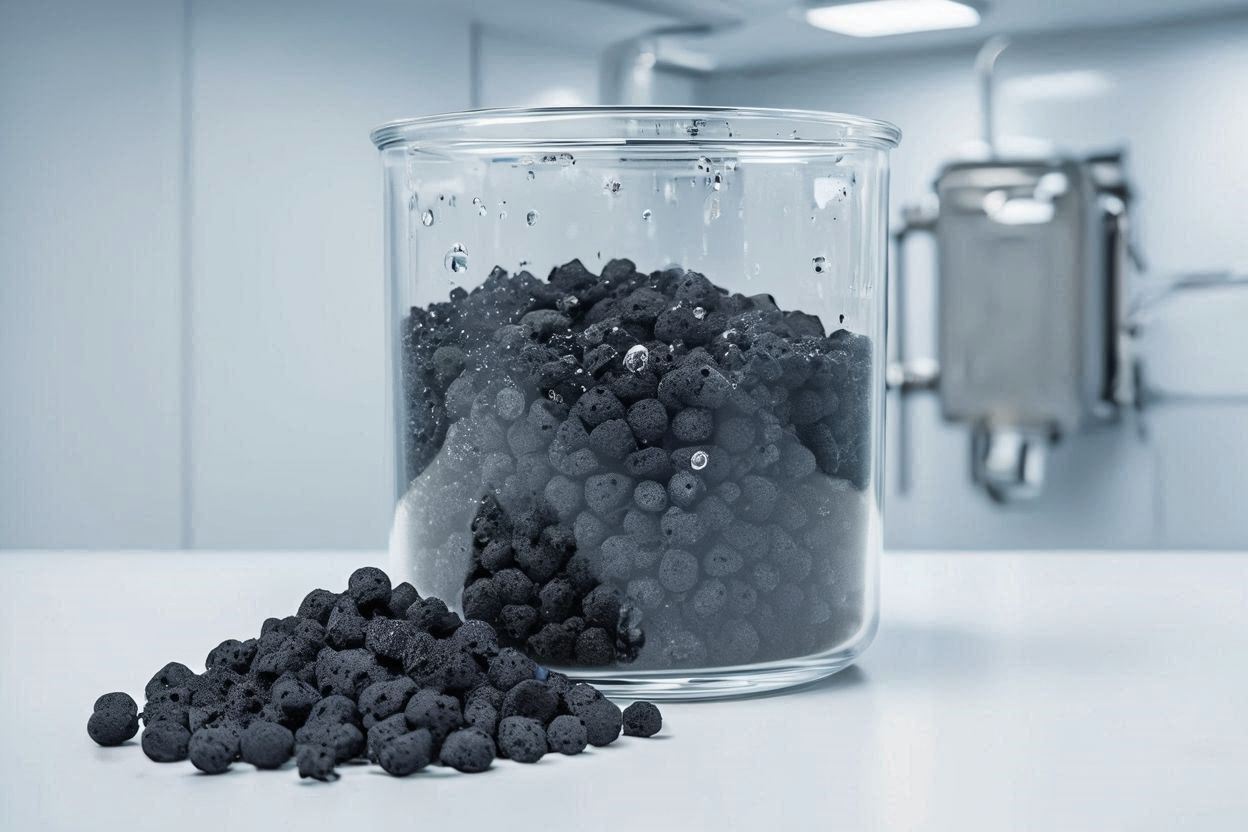
Industrial charcoal granules applications play an important role in supporting various industries that require stable, efficient, and environmentally responsible carbon materials. As industrial standards continue to evolve, charcoal granules have become a reliable solution for processes that demand consistent performance.
Compared to powdered carbon materials, charcoal granules offer better handling, controlled particle size, and improved airflow characteristics. Therefore, many industries prefer granules for applications that require durability, uniformity, and long-term operational stability.
Industrial Charcoal Granules Applications in Manufacturing
In manufacturing environments, charcoal granules support production processes that require controlled carbon input. Manufacturers use granules to maintain material consistency during blending, heating, and surface treatment operations.
Moreover, the granular structure allows better control during material handling. As a result, production efficiency improves while material loss is reduced.
Filtration Uses of Industrial Charcoal Granules
One of the most common industrial charcoal granules applications is filtration. Industries rely on charcoal granules to remove contaminants, odors, and impurities from both air and liquid systems.
For example, water treatment facilities use charcoal granules to enhance purification efficiency. In addition, industrial air filtration systems apply granules to capture pollutants and improve overall air quality.
Charcoal Granules Applications in Chemical Processing
Chemical processing industries benefit from charcoal granules because of their porous structure and adsorption capacity. During production, granules help absorb unwanted compounds and stabilize processing conditions.
Consequently, manufacturers can achieve higher product purity while maintaining consistent operational performance. Furthermore, granules allow easier separation compared to fine powders.
Metallurgical and Foundry Applications
Metallurgical industries also rely on charcoal granules as a carbon source during metal processing. Foundries use granules to adjust carbon levels and support controlled reactions in high-temperature environments.
Additionally, charcoal granules help reduce oxidation during metal heating. This advantage contributes to improved metal quality and structural consistency.
Environmental Benefits of Charcoal Granules Applications
Sustainability remains a key factor in modern industrial material selection. Charcoal granules are often produced from agricultural byproducts, which helps reduce waste and promote renewable resource use.
As a result, industries can lower their environmental footprint while maintaining reliable production standards. Moreover, charcoal granules support compliance with environmental regulations.
Handling and Storage Advantages
Industrial charcoal granules are easier to handle and store than fine charcoal powder. Their particle size reduces dust generation and improves workplace safety.
Proper packaging also protects the granules from moisture, ensuring consistent quality during storage and transportation.
Selecting Suppliers for Industrial Charcoal Granules Applications
Choosing a reliable supplier is essential for industries that depend on consistent material quality. Buyers should evaluate production capacity, quality control systems, and export readiness.
Detailed information about industrial-grade charcoal materials can be found at coconut shell charcoal granules, which outlines specifications and industrial use cases.
Verified Industrial Charcoal Resources
Access to verified supplier resources helps buyers make informed procurement decisions. Comprehensive insights into charcoal products and industrial services are available at
bisnishakam.com, supporting long-term industrial partnerships.
Conclusion
Industrial charcoal granules applications continue to expand across manufacturing, filtration, chemical processing, and metallurgy sectors. Through consistent performance, easier handling, and environmental advantages, charcoal granules remain a dependable solution for modern industrial needs.
