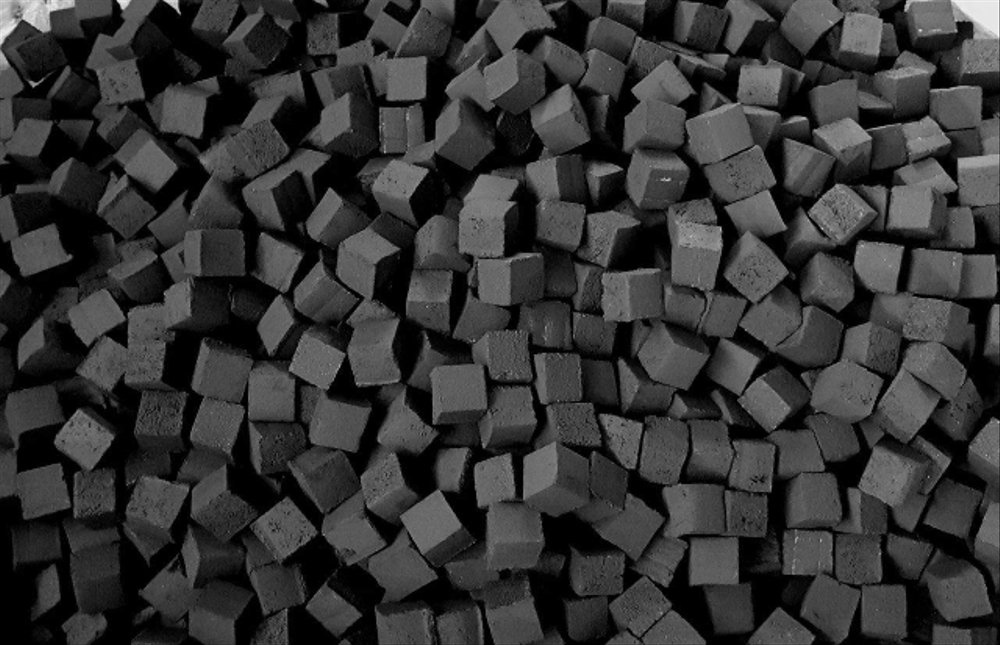
Indonesia is one of the leading exporters of charcoal-based energy products in the world. In addition, the demand for environmentally friendly fuel alternatives continues to increase, especially in the Middle East, Europe, and America. As a result, the Indonesia charcoal briquette export process has become an attractive opportunity for many business owners.
Overview of the Export Potential
First of all, Indonesia has a strong advantage in charcoal production because of its abundant coconut resources. Moreover, products made from coconut shell charcoal briquette are highly valued in the global market due to their clean burning characteristics, long burning time, and low smoke output.
Therefore, many international buyers prefer Indonesian briquettes over other alternatives. In fact, this demand continues to grow every year, making the export business even more promising.
Legal Requirements for Exporting
Before starting the export process, exporters must fulfill several legal requirements. For instance, businesses must be registered as a legal entity such as PT or CV. In addition, exporters need to obtain:
- Business Identification Number (NIB)
- Exporter Identification Number (API-E)
- Customs registration documents
- Product quality certification (if required by destination country)
Furthermore, ensuring compliance with international trade regulations is very important to avoid shipment delays or rejection.
Step by Step Export Process
To make it easier, here is the general flow of exporting briquettes from Indonesia:
- First, prepare and produce high-quality briquettes
- Next, conduct quality control testing
- After that, find international buyers and negotiate contracts
- Then, prepare export documents and invoices
- Furthermore, arrange packaging and container loading
- Finally, complete customs clearance and shipping process
At this point, understanding logistics is very important because it directly affects delivery time and cost efficiency.
Market Demand and Opportunities
Meanwhile, the global market for charcoal briquettes continues to expand. Countries like Turkey, Germany, UAE, and the United States are the main importers.
In addition, many buyers are looking for long-term suppliers instead of one-time transactions. Therefore, building strong relationships with international clients is essential for sustainable business growth.
If you want to learn the full detailed guide, you can check this resource: How to Export Briquettes from Indonesia.
Challenges in Exporting Briquettes
However, despite the opportunities, exporters may face several challenges. For example, strict quality requirements, fluctuating shipping costs, and competition from other exporting countries.
Therefore, continuous improvement in product quality, packaging, and business strategy is necessary to stay competitive in the global market.
Conclusion
In conclusion, exporting briquettes from Indonesia is a highly promising business opportunity due to the increasing global demand for clean and sustainable energy products. In addition, Indonesia has a strong advantage because of its abundant coconut resources, competitive production costs, and established supply chain, which makes it a leading exporter in this industry.
However, success in this business requires more than just production capability. Exporters must ensure consistent product quality, meet international standards, and comply with legal requirements such as NIB and API-E. Without proper documentation and quality control, shipments may face delays or rejection in the international market.
Furthermore, logistics and supply chain management play an important role in maintaining smooth export operations. Proper coordination with shipping partners and customs procedures ensures timely delivery and helps build trust with international buyers. In addition, strong competition from other countries means Indonesian exporters must continuously improve packaging, branding, and customer service.
Ultimately, with the right strategy, discipline, and commitment to quality, exporting briquettes can become a sustainable and profitable global business. It not only brings economic benefits but also supports the growing demand for eco-friendly fuel alternatives worldwide.
