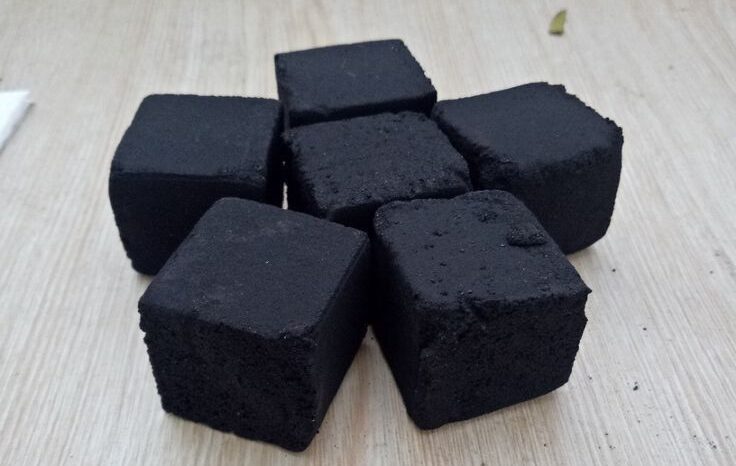
Low pollution coconut charcoal fuel has become a preferred energy source for households, commercial kitchens, and small-scale industrial operations. Unlike traditional charcoal, this fuel minimizes smoke, airborne particles, and unpleasant odors, creating a safer and cleaner environment for cooking and heating.
Using low pollution charcoal improves indoor air quality, reduces health risks, and promotes environmentally responsible practices. Partnering with a clean fuel coconut charcoal briquette supplier ensures access to consistent, high-quality fuel that supports both operational efficiency and sustainability goals.
Key Advantages of Low Pollution Charcoal
This fuel type combines performance, safety, and eco-conscious benefits. Its clean-burning properties reduce smoke and harmful emissions, creating a healthier environment for cooking and grilling.
Main Benefits
1. Minimizes smoke and harmful emissions for healthier cooking areas
2. Produces less ash, reducing cleanup and maintenance
3. Provides steady, reliable heat for cooking, grilling, and roasting
These characteristics make low pollution coconut charcoal fuel ideal for households, restaurants, and outdoor catering services seeking cleaner energy solutions.
Production and Quality Assurance
High-quality low pollution charcoal requires controlled production processes and premium raw materials.
Production Standards
1. Selecting mature coconut shells with low moisture content
2. Applying precise carbonization techniques to reduce emissions
3. Controlled drying and compression for consistent burn quality
Working with a clean fuel coconut charcoal briquette supplier ensures that all batches meet strict quality and environmental standards.
Operational Benefits for Users
End users experience efficiency, safety, and comfort with low pollution charcoal fuel.
User Advantages
1. Reduced smoke and odor enhances indoor air quality
2. Consistent heat allows precise cooking control
3. Lower ash output simplifies cleanup and reduces waste
These practical advantages make this fuel highly suitable for restaurants, catering businesses, and residential kitchens.
Ensuring Reliable Supply
Continuous access to low pollution charcoal is essential for uninterrupted operations.
Supplier Selection Criteria
1. Verified track record of producing eco-friendly, low-emission charcoal
2. Transparent quality monitoring and batch documentation
3. Efficient logistics to ensure timely deliveries
Collaborating with a clean fuel coconut charcoal briquette supplier guarantees steady supply and consistent fuel quality.
Industry Awareness and Resources
Being informed about market trends strengthens procurement decisions and operational planning.
Resources for Buyers
Industry platforms provide:
1. Updates on sustainable charcoal production techniques
2. Guidance on low-emission standards and certifications
3. Supplier directories and market intelligence to evaluate reliability
Access to these resources allows buyers to choose responsible, high-quality fuel and plan for long-term operational needs.
Environmental and Health Benefits
Low pollution coconut charcoal fuel supports cleaner cooking practices and reduces environmental impact.
Eco-Friendly Advantages
1. Minimizes indoor and outdoor air pollutants
2. Reduces ash and residue, lowering waste disposal impact
3. Supports renewable energy initiatives through responsible sourcing of coconut shells
Using cleaner charcoal enhances safety in kitchens, supports sustainability goals, and aligns with global environmental standards.
Conclusion
Low pollution coconut charcoal fuel provides a cleaner, efficient, and reliable energy source for households, restaurants, and industrial operations. Its reduced smoke, low ash content, and consistent heat improve cooking performance while promoting healthier environments.
Partnering with a clean fuel coconut charcoal briquette supplier guarantees high-quality, sustainable fuel and reliable supply. Leveraging industry insights from platforms like sewcazual.com helps buyers make informed procurement decisions, maintain operational efficiency, and adopt cleaner, environmentally responsible cooking practices.
