Difference between coconut charcoal and wood charcoal lies in the raw materials, properties, and benefits. Coconut charcoal is made from coconut shell waste, while wood charcoal comes from wood that is usually taken directly from the forest. Both types of charcoal have their own characteristics and advantages that make them suitable for various purposes.
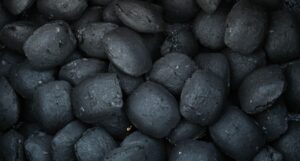
Coconut charcoal is more environmentally friendly because it uses agricultural waste, has a longer burning power, and produces little smoke. In contrast, wood charcoal is more flammable, but often contributes to deforestation if not produced sustainably. Understanding these differences is important for choosing the right fuel while supporting environmental conservation efforts.
Difference between coconut charcoal and wood charcoal
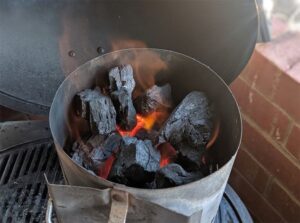
1. Raw Material Sources
Coconut Shell, Coconut shell is the hard part of the coconut that is usually produced as a by-product of the coconut industry.
Wood Charcoal, Wood charcoal is produced from a controlled burning process of wood, where water and other substances are removed, leaving a solid, porous fuel.
2. Carbon Content
Coconut Shell, Coconut shell has a lower carbon content compared to charcoal.
Wood Charcoal, Charcoal has a high carbon content due to the more intense combustion process.
3. Density
Coconut Shell, Coconut shell has a lower density, making it lighter and easier to transport.
Wood Charcoal, Charcoal tends to be denser, providing a higher calorific value when used as fuel.
4. Combustion Quality
Coconut Shell, Coconut shell combustion tends to be slower and produces lower intensity heat.
Wood Charcoal, Charcoal produces higher heat and burns more efficiently.
Burning Power and Efficiency
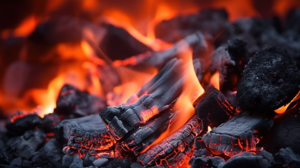
1. Coconut Charcoal Briquettes
Coconut charcoal briquettes are known to have high burning power. In use, these briquettes can produce stable and long-lasting heat. With good efficiency, these briquettes tend to require less fuel to produce the same amount of heat compared to wood charcoal.
2. Wood Charcoal
The burning power of wood charcoal varies depending on the type of wood and how it is burned. In general, wood charcoal has quite good burning power, but may not be as high as coconut charcoal briquettes. In addition, wood charcoal can run out faster, requiring users to add fuel more often.
Availability and Cost
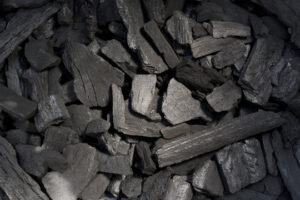
1. Coconut Charcoal Briquettes
With the increasing popularity of coconut charcoal briquettes, their availability is also increasing. Sustainable production from coconut waste helps keep the prices of these briquettes affordable.
2. Wood Charcoal
The availability of wood charcoal can vary depending on the supply of wood and the demand in the market. The price can also fluctuate, especially if many people are turning to wood charcoal as a fuel option.
Conclusion
The difference between coconut charcoal and wood charcoal lies in their raw materials, characteristics, and environmental impact. Coconut charcoal, made from agricultural waste, offers advantages such as longer burning time, stable heat, minimal smoke, and environmental sustainability. In contrast, wood charcoal, derived from wood, burns faster and produces higher heat but often contributes to deforestation and environmental concerns if not sustainably sourced.
Coconut charcoal briquettes are more efficient and cost-effective over time, making them a preferred choice for environmentally conscious consumers. Understanding these differences can help in selecting the appropriate fuel that meets specific needs while promoting sustainability and conservation efforts.
Make the sustainable choice today by switching to coconut charcoal vs wood charcoal! Enjoy a cleaner burn, less environmental impact, and a longer-lasting fire. Choose coconut charcoal for an eco-friendly and efficient grilling experience!
