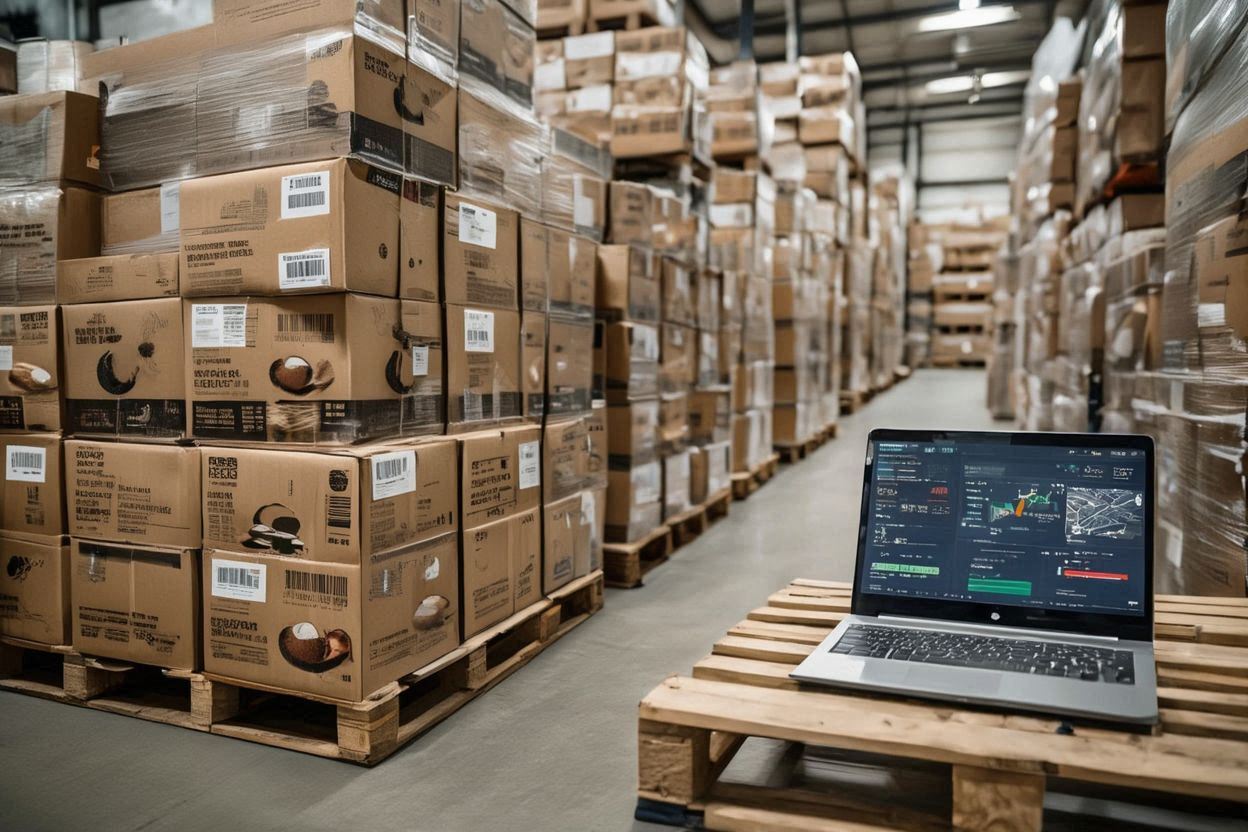
Tracking guide for shisha export helps exporters, distributors, and logistics teams maintain control over international shipments. By applying proper tracking methods, businesses can monitor cargo movement, reduce delays, and keep delivery schedules consistent. As a result, operations become more predictable and easier to manage.
To explore a complete reference, you can read shisha charcoal shipping tracking guide. In addition, you can find more logistics insights at varesemagazine.com.
When companies follow a clear tracking process, they gain better visibility into shipment progress. Therefore, they can coordinate more effectively with freight forwarders, suppliers, and buyers. At the same time, they can respond faster when unexpected issues appear.
Why a Tracking Guide for Shisha Export Matters
A structured tracking guide allows businesses to monitor shipments from origin to destination without confusion. Because of this, companies can maintain accurate delivery timelines.
In addition, consistent tracking reduces uncertainty in logistics operations. When delays occur, businesses can quickly adjust plans and inform clients.
As a result, better tracking leads to improved communication and smoother coordination across the supply chain.
Key Tools in a Tracking Guide for Shisha Export
Businesses use several tools to support shipment tracking. First, the Bill of Lading (B/L) provides a unique reference number for each shipment.
Next, container tracking platforms show real-time updates such as vessel location and estimated arrival times. Therefore, companies can monitor shipments with higher accuracy.
Furthermore, digital dashboards combine multiple data sources into one system, making tracking more efficient.
1. Bill of Lading Tracking Process
The Bill of Lading allows businesses to track shipments through official shipping line systems. By entering the B/L number, users can check cargo location and shipment status instantly.
Because of its accuracy, this method remains widely used in international trade.
2. Freight Forwarder Coordination
Freight forwarders provide updates about schedules, route changes, and possible delays. Therefore, businesses can stay informed during every stage of shipping.
In addition, maintaining communication with forwarders helps resolve issues faster and improves shipment control.
Common Issues in Shisha Export Tracking
Shipment tracking often involves challenges such as port congestion, vessel delays, and documentation errors. Because of these factors, delivery schedules may change.
External conditions like customs inspections and weather disruptions can also affect shipment progress. However, regular tracking helps businesses detect these issues earlier.
As a result, companies can adjust their plans and reduce the impact on operations.
How to Improve Export Tracking Efficiency
Businesses can improve tracking efficiency by organizing all shipping documents properly. For example, invoices, packing lists, and Bill of Lading should remain accessible.
Moreover, using multiple tracking platforms helps verify shipment data. Because each system provides different updates, cross-checking ensures better accuracy.
In addition, automation tools send real-time notifications when shipment status changes. Therefore, businesses can stay updated without manual monitoring.
Benefits of Following a Tracking Guide
Following a tracking guide for shisha export improves transparency and strengthens communication with clients. As a result, businesses can build stronger relationships.
Furthermore, consistent monitoring reduces risks caused by delays or miscommunication. Because of that, companies can operate more efficiently.
In the long term, a tracking guide for shisha export supports better logistics management, improves coordination, and helps businesses achieve stable growth.
